

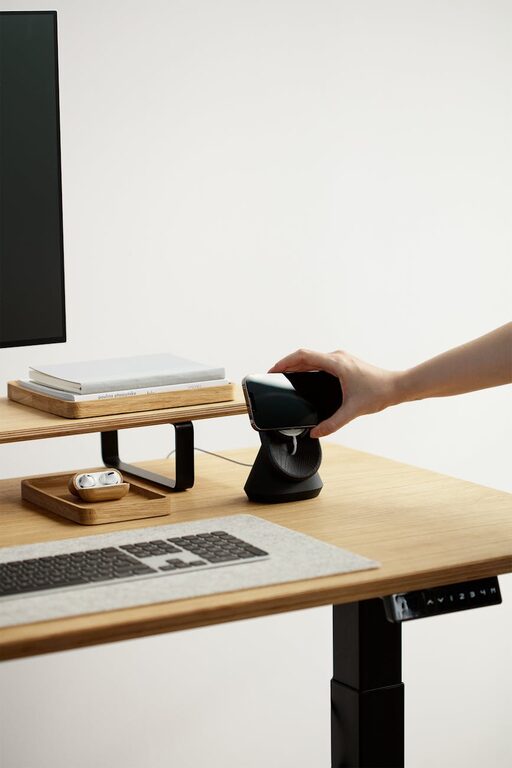
Creating a relaxing home office environment can greatly enhance your productivity and well-being. Whether you work remotely full-time or occasionally need a quiet spot to focus, a calm and organized workspace helps keep stress levels low and motivation high. Here are some practical tips to transform your home office into a more relaxing and efficient space.
Choose the Right Location
Find a Quiet Spot
Start by selecting a part of your home where noise and distractions are minimal. Avoid high-traffic areas like the kitchen or living room if possible. A quiet corner or a spare room can serve as the ideal workspace.
Maximize Natural Light
Natural light boosts mood and energy, so set up your desk near a window if you can. If your options are limited, try to use bright but soft lighting that mimics daylight.
Organize Your Space
Declutter Regularly
A clean workspace reduces mental clutter. Take a few minutes each day to tidy your desk, discard unnecessary items, and organize your supplies.
Use Storage Solutions
Invest in shelves, filing cabinets, or desktop organizers to keep papers, stationery, and electronic accessories neatly stored and easy to find.
Cable Management
Tangled cables create visual distraction. Use cable ties, clips, or sleeves to keep cords organized and out of sight.
Create a Comfortable Setup
Ergonomic Furniture
A comfortable chair with good lumbar support and an adjustable desk are worth the investment. Proper ergonomics help prevent back and neck pain during long work sessions.
Keyboard and Screen Placement
Position your monitor at eye level about an arm’s length away to reduce eye strain. Keep your keyboard and mouse within easy reach to promote good posture.
Add Soothing Elements
Plants and Greenery
Indoor plants improve air quality and add a touch of nature to your workspace. Choose low-maintenance plants like succulents or pothos for easy care.
Calming Colors
Soft, muted colors like light blues, greens, or neutrals help create a relaxing ambiance. Consider painting one wall or using accessories in calming shades.
Personal Touches
Include photos, artwork, or decor items that inspire you but avoid cluttering the space. The goal is to create a workspace that feels pleasant and welcoming.
Manage Noise Effectively
Use Noise-Cancelling Headphones
If you cannot avoid background noise, noise-cancelling headphones can help you focus.
Background Music or White Noise
Some people find gentle background music or white noise helpful for concentration and relaxation. Choose instrumental or ambient playlists if you try this method.
Keep Air Fresh and Comfortable
Proper Ventilation
Make sure your home office is well-ventilated. Fresh air leads to higher alertness and reduced fatigue.
Temperature Control
Maintain a comfortable temperature, considering a fan or a heater depending on the season.
Establish Work-Life Boundaries
Define Work Hours
Set clear working hours and communicate them with others in your home if possible. This helps maintain a healthy balance and signals when it’s time to relax.
Create a Shutdown Routine
At the end of the day, spend a few minutes cleaning your desk and turning off your computer. This helps your brain switch from work mode to personal time.
Incorporate Breaks and Movement
Scheduled Breaks
Take regular short breaks to stretch, move, and rest your eyes. This improves circulation and reduces fatigue.
Stretching Exercises
Incorporate simple stretches or yoga poses that relieve tension, especially in the neck, shoulders, and back.
—
Designing a relaxing home office environment takes some effort but provides lasting benefits. By choosing a quiet spot, organizing efficiently, investing in comfort, and adding soothing touches, you can create a space that supports both productivity and well-being. Remember, a pleasant workspace helps you work better and enjoy the time you spend there.